GRADES
The name is not optional
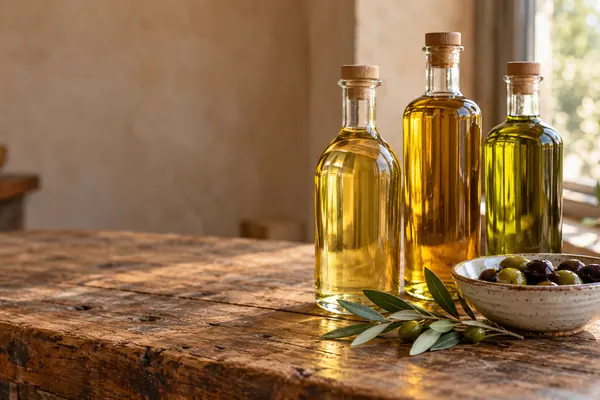
Extra virgin, virgin, olive oil composed of refined and virgin oils, and olive pomace oil. Each label must carry the grade name and its set description in the main field of vision.
Compare the grades doodlesdeli
WHAT THE RULES SAY
Olive oil grades are defined in law.
Pick a grade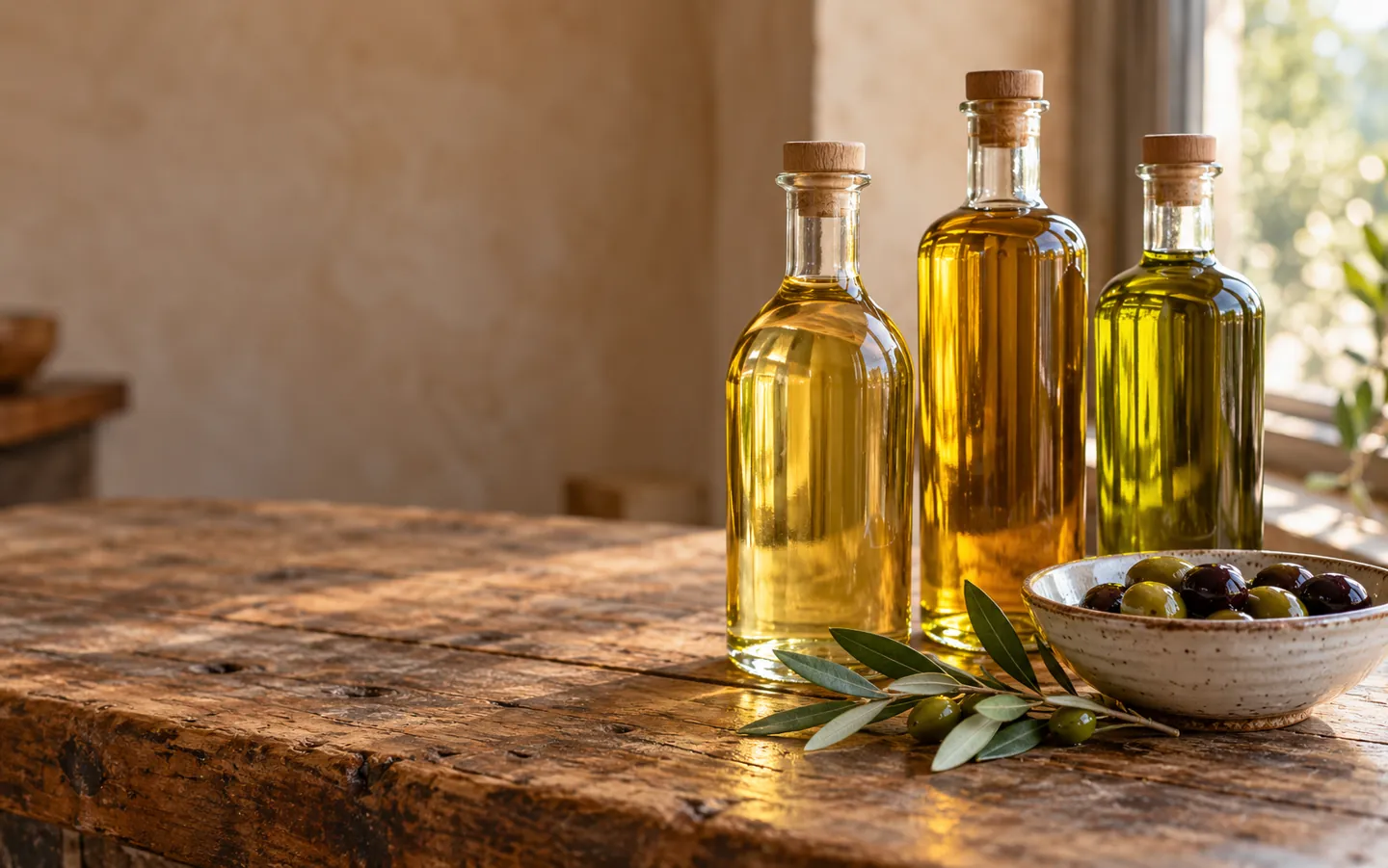
4 GRADESon the shop shelf
In Great Britain, retained Regulation 29/2012 and the rules it builds on decide what may be called extra virgin, what the label has to say, and when phrases like cold extraction are allowed.
At a glance
0.8 g/100 g
Maximum free acidity, extra virgin
Extra virgin olive oil may have no more than 0.8 g of free acidity (as oleic acid) per 100 g. Virgin olive oil may have up to 2 g. Above 2 g, a virgin oil is classed as lampante.
ACIDITY · REG 1308/2013
27 °C
Ceiling for “cold” claims
“First cold pressing” means a first pressing in traditional hydraulic presses below 27 °C. “Cold extraction” means percolation or centrifugation below 27 °C.
TEMPERATURE · REG 29/2012
TWO NUMBERS WORTH KNOWING
One limit that defines the top grade,
one temperature behind the word “cold”.
Packaging rules add a third number: oils covered by Regulation 29/2012 reach shoppers in containers of at most 5 litres, with a seal that cannot be closed again once opened.
A QUICK GRADE CHECK
Pick a grade to see its legal limit and what sets it apart. The bar shows the maximum free acidity the rules allow for that grade.
Free acidity is measured as oleic acid, in grams per 100 g of oil. General information about labelling rules, not legal advice.
THE SHORT ANSWER
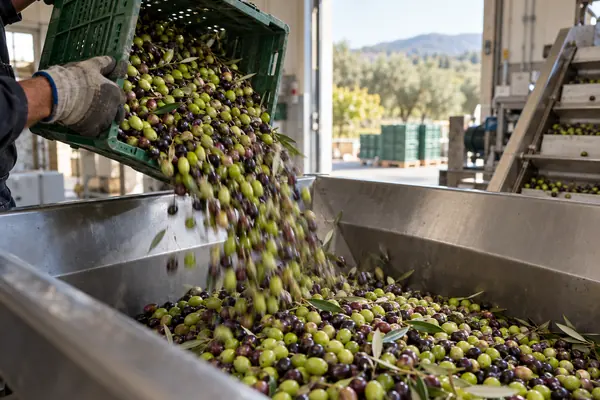
Shops in Great Britain sell four kinds of pure olive oil.
Each has a legal name and a fixed description.
GRADES
Extra virgin, virgin, olive oil composed of refined and virgin oils, and olive pomace oil. Each label must carry the grade name and its set description in the main field of vision.
Compare the gradesEXTRACTION
“Cold extraction” and “first cold pressing” may only appear on extra virgin or virgin oils made below 27 °C by the method each phrase names.
See the numbersSTORAGE
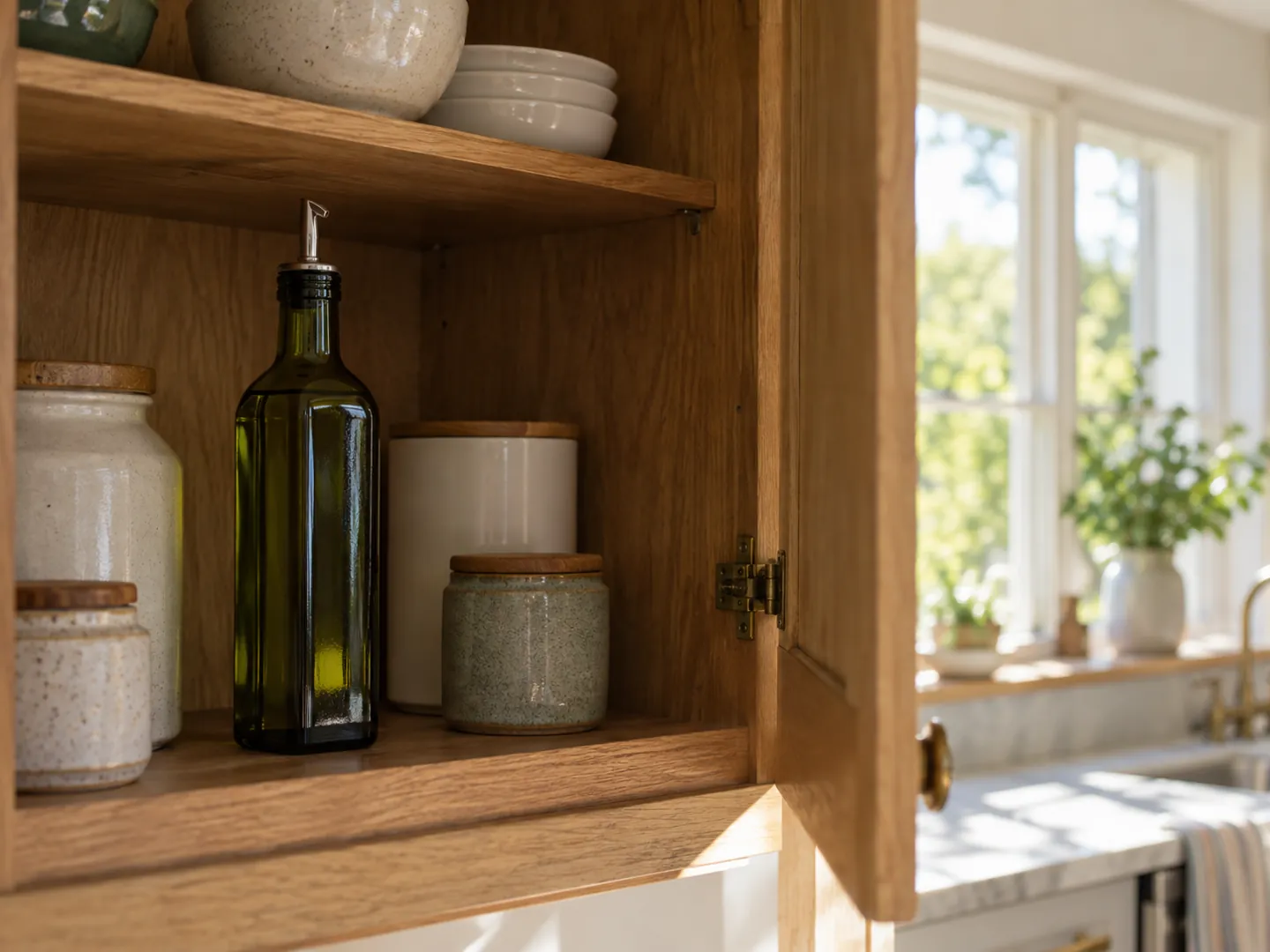
Every bottle must say that the oil is to be stored away from light and heat. The wording is written into the olive oil rules themselves.
Read a label
FOUR THINGS TO LOOK FOR
These are the parts of an olive oil label that the rules fix. Everything else on the bottle is up to the seller, within general food labelling law.
The grade name and its set wording sit together in the main field of vision, in the same size, font and colour.
Extra virgin and virgin oils must say where they come from. For imported oil, that is the country of the mill that extracted it.
A harvest year may only appear if all the oil comes from that harvest. It can be shown as a marketing year, or as month and year of extraction.
Every bottle carries the same note: keep away from light and heat.
BLENDS AND FLAVOURED OILS
If a blend of olive oil and another vegetable oil highlights the olive oil, it must be called something like “blend of sunflower oil and olive oil”, followed by the percentage of olive oil. Pictures of olive oil are allowed only when it makes up more than 50% of the blend.
Flavoured oils are stricter still. GOV.UK says a garlic-infused oil, for example, must not refer to a pure olive oil grade on the label, though olive oil can appear in the ingredients list.
Questions
Both are made only by mechanical means. Extra virgin has a free acidity of no more than 0.8 g per 100 g and must show no defects in a panel tasting; virgin can reach 2 g per 100 g and may have small defects.
Under Regulation 29/2012 it may appear only on extra virgin or virgin olive oil obtained below 27 °C by percolation or centrifugation of the olive paste. “First cold pressing” means below 27 °C in traditional hydraulic presses.
Extra virgin and virgin oils must give their origin. For blends sold in Great Britain since 1 January 2024, the label lists the countries or uses a statement like this instead of “non-EU”.
No. GOV.UK guidance says flavoured oils must not refer to a pure olive oil grade on the label, though olive oil can be listed in the ingredients.
In Great Britain the Animal and Plant Health Agency inspects bottlers, retailers and others. Inspectors take samples of extra virgin and virgin oils for sensory and chemical tests and check labels.
Sources
ABOUT THIS NAME
doodlesdeli.com is part of the DoodleSale portfolio. It isn't in an auction right now, but you can ask about leasing it.